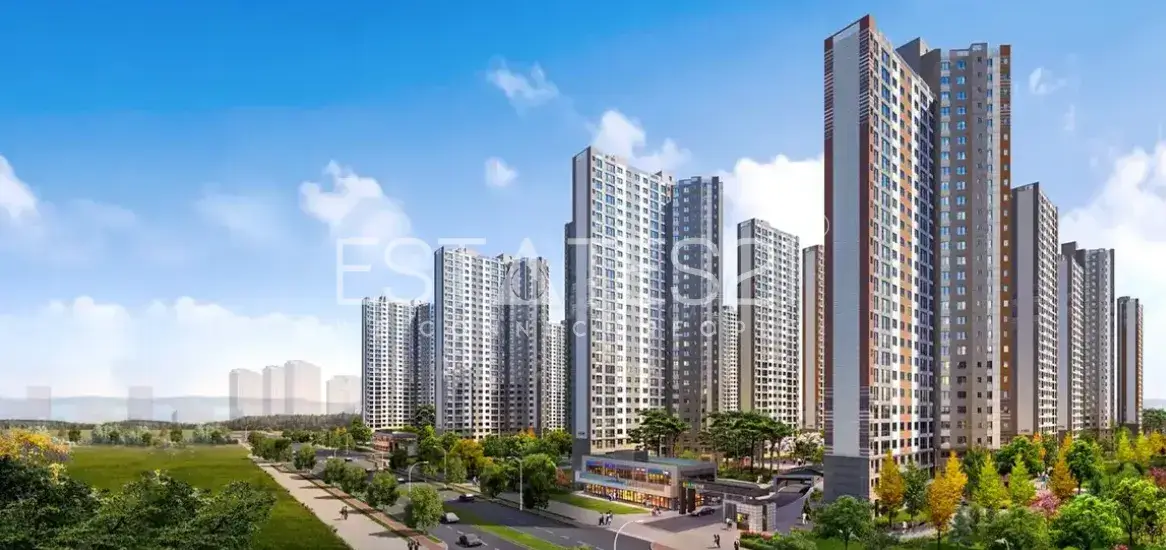
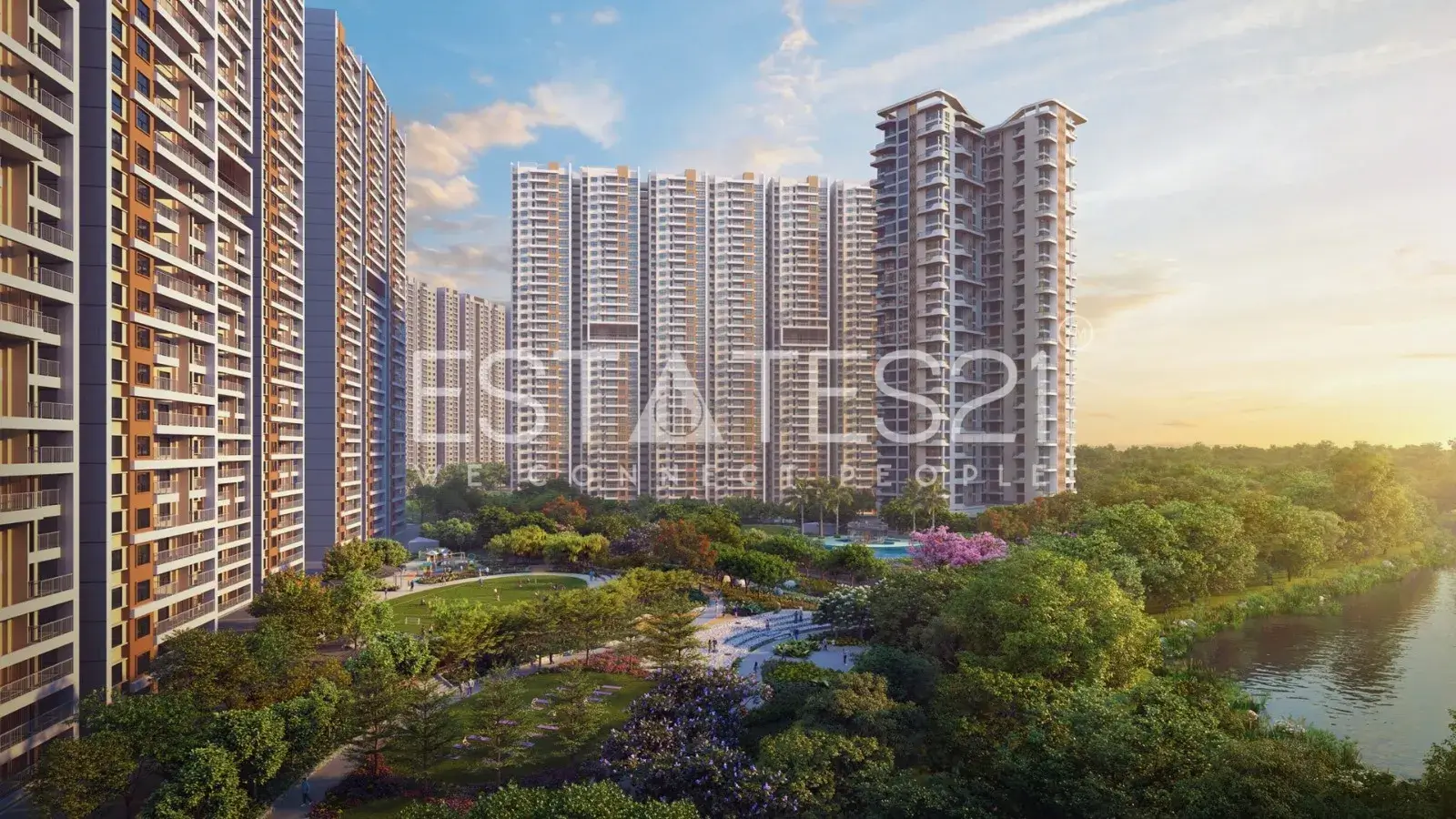
Integrated townships represent a transformative vision for urban development, characterized by their multifunctional use of land which blends residential, commercial, and recreational spaces. Unlike traditional urban models that often segregate these functions, integrated townships promote a cohesive living environment where accessibility and community interaction flourish. This holistic approach not only enhances the quality of life for residents but also fosters sustainable growth by minimizing transportation needs and encouraging local economies.
Key Components of Integrated Townships
The foundation of integrated townships lies in mixed-use developments that serve as a catalyst for vibrant communities. Such spaces integrate housing, retail, workplaces, and leisure activities, allowing residents to fulfill daily needs without extensive travel. Additionally, the incorporation of green spaces and sustainable design elements—such as energy-efficient buildings and water management systems—fosters an environment that supports ecological balance and promotes health. Community amenities, ranging from parks to educational facilities, are essential in enhancing the life quality, as they provide platforms for social interaction and community building.
Social Impacts of Integrated Living
The impact of integrated living on social dynamics cannot be overstated. By facilitating community engagement through shared spaces and organized activities, these townships cultivate a sense of belonging and purpose among residents. Moreover, inclusive design principles are prioritized, ensuring that amenities and services cater to diverse populations, thereby addressing social inequalities. The integration of such environments has also been linked to improved mental health outcomes, as access to green spaces and community resources promotes physical well-being and reduces stress.
Challenges and Considerations
Despite their potential, integrated townships face several challenges. Financial viability remains a crucial concern, as initial investments in infrastructure and amenities can be substantial. Furthermore, navigating regulatory frameworks and planning landscapes can pose significant hurdles, often complicating the development process. Environmental sustainability must also be considered; while integrated townships aim to reduce footprints, the balance between development and ecological preservation is delicate and necessitates continuous evaluation and innovation to mitigate adverse impacts.